
Are Termites Active in Winter in Virginia? What Hanover Homeowners Need to Know
Short answer: Yes — but not the way most people think.
Many homeowners assume termites “die off” or “hibernate” once temperatures drop. In reality, termites can remain active year-round — they just operate differently in colder months.
Understanding winter termite behavior can help you prevent serious structural damage before spring swarming season begins.
The Most Common Termite in Virginia: Eastern Subterranean Termite
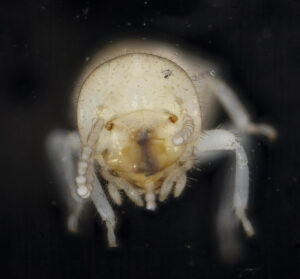
In Hanover County and the greater Richmond area, the primary species we deal with is the Eastern Subterranean Termite.
These termites live underground and build colonies in the soil. Unlike drywood termites found in some southern coastal states, subterranean termites rely on moisture and soil contact to survive.
What Happens to Termites in Winter?
Termites do not hibernate.
Instead, in cold weather, they often:
- Move deeper into the soil below the frost line
- Remain active inside heated structures
- Continue feeding on wood around the clock
When outside soil temperatures drop, termite colonies typically retreat further underground where temperatures stay more stable.
If termites have already established themselves near your home’s foundation, they can continue feeding inside wall voids, crawl spaces, and sill plates — completely out of sight.
Why Winter Can Be Deceptive
Winter is often when infestations can go unnoticed the longest.
There are usually:
- No swarmers flying
- No obvious activity outside
- No clear warning signs
But inside walls and structural wood, activity may still be happening.
By the time spring swarmers appear, the colony may have already been feeding for months.
Where Winter Termite Activity Typically Occurs
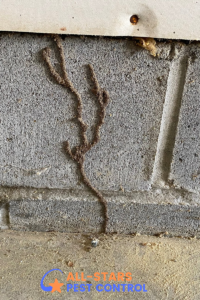
In the winter months, termite activity is most commonly found in:
- Crawl spaces
- Basement walls
- Foundation expansion joints
- Sill plates
- Wood-to-soil contact areas
- Behind insulation
Because homes are heated, they provide a stable environment for termites to continue feeding.
Do Termites Survive Freezing Temperatures?
Yes — colonies survive winter by:
- Moving below the frost line
- Using mud tubes to retain moisture and regulate temperature
- Staying inside heated structures
While individual termites are vulnerable to extreme cold, the colony as a whole is protected underground. Freezing air temperatures do not eliminate termite problems.
When Does Termite Season Start in Virginia?

In Central Virginia, swarm season typically begins:
Mid-March through May
Warm days following heavy spring rains often trigger swarming activity.
But here’s the key: Swarming is not the beginning of an infestation — it’s evidence the colony has already matured.
Winter Warning Signs to Watch For
Even in February, homeowners should look for:
- Mud tubes on foundation walls
- Soft or blistering wood
- Buckling floors
- Tight-fitting doors or windows
- Hollow-sounding trim
If you see any of these signs during winter, activity may already be established.
Why Late Winter Is the Smartest Time for Inspection
From a preventative standpoint, February and early March are ideal for:
- Annual termite inspections
- Installing monitoring systems
- Addressing moisture issues in crawl spaces
- Sealing foundation penetrations
Waiting until swarmers appear means you’re reacting — not preventing.
Final Word for Hanover & Mechanicsville Homeowners
Termites are not a “spring-only” issue.
They can be active year-round — especially inside heated homes.
Winter is quiet. Spring is visible. Damage can happen in both.
If you’re unsure about the condition of your home, a professional inspection can provide peace of mind before swarm season begins.
Local Note
In Mechanicsville and Hanover County, termite activity often increases rapidly once consistent daytime temperatures reach the 60s.
With spring only weeks away, now is the time to make sure your home isn’t already supporting a hidden colony.
About All-Stars Pest Control
All-Stars Pest Control provides professional termite inspections and preventative solutions for homeowners throughout Hanover County and the surrounding Richmond area.
If you suspect activity — or simply want reassurance before swarm season — schedule an inspection and protect your investment.