
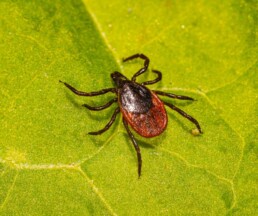
Fleas & Ticks in Your Yard: What Homeowners Need to Know
If you’re spending time outdoors in Virginia, fleas and ticks are something every homeowner should be aware of.
In areas like Mechanicsville and the greater Richmond region, these pests become more active as temperatures rise — and they don’t just stay in the woods. They can live right in your yard.
Why Fleas & Ticks Are a Problem in Virginia
Virginia’s warm, humid climate creates ideal conditions for fleas and ticks to thrive, especially from spring through early fall.
- Ticks hide in tall grass and shaded areas
- Fleas can live in soil, mulch, and under decks
- Wildlife like deer and rodents can bring them into your yard
Once they’re established, they can be difficult to eliminate without consistent control.
Where Fleas & Ticks Hide in Your Yard

These pests prefer areas that are cool, shaded, and protected.
- Along fence lines
- Under bushes and dense vegetation
- Leaf litter and mulch beds
- Under decks, porches, and shaded areas
If your yard has any of these conditions, it may be more prone to flea and tick activity.
How Fleas & Ticks Affect Your Family and Pets
 Fleas and ticks aren’t just a nuisance — they can impact both pets and people.
- Fleas can cause itching, irritation, and infest pets quickly
- Ticks can attach and remain hidden for long periods
- Both can be brought inside the home from outdoor exposure
This is why many homeowners choose to address the problem at the source — their yard.
Can You Prevent Fleas & Ticks on Your Own?

There are steps homeowners can take to reduce the risk:
- Keep grass cut short
- Trim back bushes and vegetation
- Remove leaf litter and debris
- Limit areas where wildlife can enter
While these steps help, they often don’t eliminate the problem completely.
Why Consistent Yard Treatment Matters
Fleas and ticks can continue to reproduce and re-enter your yard throughout the season.
A consistent treatment program helps:
- Reduce populations over time
- Target problem areas where pests live
- Provide ongoing protection for your yard
Protect Your Yard, Family, and Pets
If you’re in Mechanicsville or the Richmond area, staying ahead of flea and tick activity is key to enjoying your outdoor space.
At All-Stars Pest Control, our Yard Guard program is designed to help control fleas, ticks, and mosquitoes so you can feel more comfortable outside.
Don’t wait until the problem spreads — take control early.

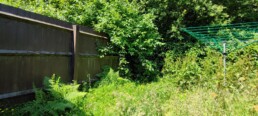
5 Things Attracting Mosquitoes to Your Yard (And How to Stop Them)
If mosquitoes are taking over your yard, there’s usually a reason why.
In areas like Mechanicsville and the greater Richmond region, mosquito populations don’t just appear — they’re attracted to specific conditions around your home.
The good news? Once you know what’s drawing them in, you can start taking steps to reduce the problem.
1. Standing Water
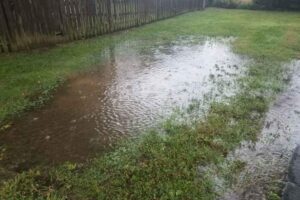
This is the biggest culprit. Mosquitoes lay their eggs in standing water, and it doesn’t take much — even a small amount can produce hundreds of mosquitoes.
- Clogged gutters
- Flower pots and trays
- Kids toys
- Bird baths
Tip: Regularly empty and check anything that can hold water.
2. Overgrown Vegetation
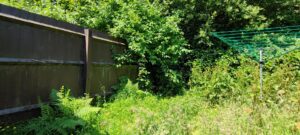 Mosquitoes love cool, shaded areas where they can rest during the day.
- Dense bushes
- Tall grass
- Untrimmed landscaping
Tip: Keep vegetation trimmed and allow airflow through your yard.
3. Poor Drainage
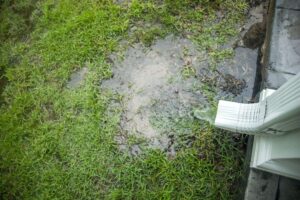
If your yard tends to hold water after it rains, it creates the perfect breeding ground for mosquitoes.
Tip: Address low spots and improve drainage where possible.
4. Outdoor Items That Collect Water
 Common backyard items often collect water without homeowners realizing it.
- Buckets and containers
- Tarps
- Wheelbarrows
- Unused equipment
Tip: Store items upside down or covered.
5. Lack of Consistent Mosquito Control
Even with prevention, mosquitoes can still become a problem — especially during peak season in Virginia.
Without consistent control, populations will continue to grow throughout the spring and summer.
Tip: A structured mosquito treatment program helps keep populations under control all season long.
Take Back Your Yard
If you’re dealing with mosquitoes in Mechanicsville or the Richmond area, it’s not just bad luck — it’s usually something in the environment attracting them.
At All-Stars Pest Control, our Yard Guard program is designed to target the conditions mosquitoes love and keep your yard comfortable all season long.
Don’t let mosquitoes take over your outdoor space — take control early.
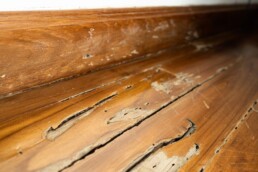
How Much Damage Can Termites Cause in One Year?
How Much Damage Can Termites Cause in One Year?
The Truth About Silent Destruction in Your Home
The Short Answer: More Than You Think
Termites do not take breaks. They do not stop feeding. And they can cause serious structural damage long before a homeowner ever notices a problem.
In just one year, termites can cause thousands of dollars in damage to a home or business. At All-Stars Pest Control, we have seen small hidden infestations turn into major repair issues when termites are left untreated.
How Fast Do Termites Actually Eat?
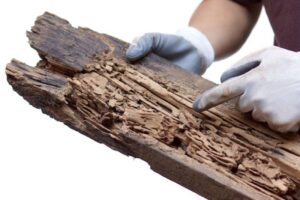
Subterranean termites are the most common and destructive termites in Virginia. A typical colony can range from 60,000 to well over 1 million termites.
While one termite is tiny, a full colony works nonstop. Together, they can consume wood and other cellulose materials every single day.
That daily feeding may seem minor at first, but over the course of a year, the damage can become severe.
What That Means Over One Year
Termites damage wood slowly, silently, and from the inside out. That is what makes them so dangerous.
Over the course of one year, an active termite colony may:
- Hollow out support beams
- Damage floor joists
- Weaken wall studs
- Compromise subflooring
- Create structural instability in crawl spaces and other wood-framed areas
Because this damage often happens behind walls, under floors, or inside crawl spaces, many homeowners do not realize they have a problem until the infestation has already been active for quite some time.
What Termite Damage Looks Like in Virginia Homes

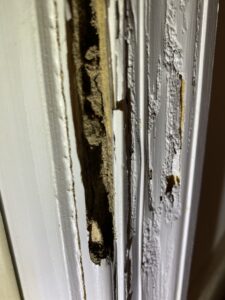 In homes across Mechanicsville and Central Virginia, termite damage often shows up in a few common ways.
- Mud tubes along foundation walls
- Soft, blistering, or hollow-sounding wood
- Sagging floors
- Wood damage in crawl spaces
- Doors and windows that suddenly become hard to open or close
By the time these signs appear, termites may have already been feeding for months or even years.
How Expensive Can the Damage Get?
Termite damage is not just frustrating. It can also be very expensive.
- Minor damage: $500 to $3,000
- Moderate damage: $3,000 to $10,000
- Severe structural repairs: $10,000 or more
One of the biggest surprises for homeowners is that most insurance policies do not cover termite damage. Insurance companies typically view termite issues as preventable through routine inspection and maintenance.
Why Termites Are So Destructive
Termites are built to stay hidden and keep feeding. They travel through soil and mud tubes to reach wood while staying protected from light and dry air.
That means they can remain active out of sight while steadily damaging the structural components of your home.
They are especially drawn to:
- Moisture-prone areas
- Crawl spaces
- Wood-to-soil contact
- Untreated structural lumber
Early Warning Signs to Watch For
Catching termites early is one of the best ways to limit damage and reduce repair costs.
Watch for these warning signs:
- Swarming termites in the spring
- Discarded wings near windows or doors
- Mud tubes on foundation walls or piers
- Soft or damaged wood
- Areas of wood that sound hollow when tapped
How to Protect Your Home
If you want to protect your home from costly termite damage, prevention and early detection are key.
- Schedule annual termite inspections
- Address moisture problems quickly
- Reduce wood-to-soil contact around the foundation
- Install a professional termite treatment or monitoring system
At All-Stars Pest Control, we help homeowners identify termite risks early and recommend the right treatment plan for long-term protection.
The All-Stars Advantage
When you choose All-Stars Pest Control, you are getting more than a quick inspection. You are getting a family-owned company that believes in honest recommendations, clear communication, and long-term protection.
- Thorough termite inspections
- Honest, no-pressure service
- Proven treatment solutions
- Local experience you can trust
Do Not Wait Until the Damage Gets Worse
If termites can cause this much damage in just one year, waiting only gives them more time to work.
The earlier you catch the problem, the easier and less expensive it usually is to correct.
Serving Mechanicsville and the surrounding areas
Call All-Stars Pest Control today to schedule your termite inspection and protect your home.
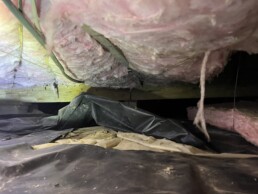
Crawlspace Insulation Issues: Pests, Moisture & Fungus in Virginia Homes
Your crawlspace might be out of sight, but it shouldn’t be out of mind. In Mechanicsville, Richmond, and Hanover County, homeowners are often surprised to learn that failing crawlspace insulation is one of the biggest causes of high energy bills, poor air quality, and even pest infestations.
At All-Stars Pest Control, we see it every week: insulation that’s sagging, moldy, or completely destroyed — all because of pests, moisture, or fungus. Here’s what every homeowner should know.
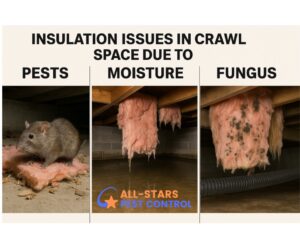
How Pests Destroy Crawlspace Insulation
Crawlspaces are the perfect hiding place for rodents, squirrels, and even insects. Once inside, they:
-
Tear and shred insulation to build nests.
-
Leave droppings and urine that contaminate the insulation.
-
Chew through nearby wood or wiring, causing bigger headaches.
If you’ve heard scratching under your floors or noticed strange odors, pests may already be ruining your insulation.
 The Silent Problem: Moisture
Moisture is one of the most common crawlspace problems in Virginia. High humidity and poor ventilation cause insulation to:
-
Get wet and heavy, sagging down from the joists.
-
Lose its ability to regulate temperature.
-
Becomes a breeding ground for mold and mildew.
That musty smell in your home? It often starts in the crawlspace.
Fungus & Mold Growth
When moisture lingers, fungus takes hold. Insulation and wooden beams are prime targets, and once growth begins, it spreads quickly. Mold spores don’t stay in the crawlspace — they circulate into your living space through the stack effect, impacting your family’s health.
Warning signs include:
-
Musty odors indoors.
-
Allergies or breathing problems that get worse at home.
-
Visible black or green growth on insulation or wood.
Signs Your Crawlspace Insulation Needs Attention
-
Uneven or cold floors above the crawlspace.
-
Higher-than-normal energy bills.
-
Insulation is falling or hanging down.
-
Visible moisture or standing water.
If you’ve noticed any of these, it’s time to take action.
Why Fixing It Matters
-
Lower Energy Costs – Proper insulation keeps your HVAC from working overtime.
-
Healthier Air – Eliminating mold, fungus, and pest allergens improves indoor air quality.
-
Protects Home Value – A clean, healthy crawlspace makes your home more attractive to buyers.
All-Stars Crawlspace Solutions
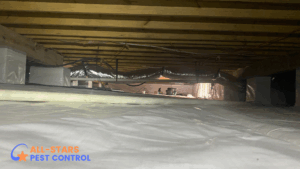
At All-Stars Pest Control, we don’t just cover up the problem — we fix it at the source. Our crawlspace services include:
-
Full inspections with photos and moisture readings.
-
Pest removal and exclusion services.
-
Fungus and wood treatment.
-
Vapor barriers and moisture control.
-
Insulation replacement with durable, moisture-resistant options.
Schedule Your Crawlspace Inspection Today
If you’re in Mechanicsville, Richmond, Hanover County, or surrounding areas, now is the time to get ahead of costly crawlspace damage.
Call All-Stars Pest Control today to schedule your crawlspace inspection. 804-306-1052
Your crawlspace may be hidden, but your peace of mind doesn’t have to be.
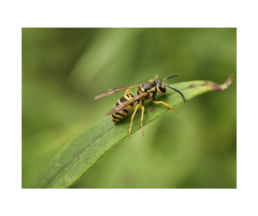
Yellow Jackets during the fall in Mechanicsville Virginia
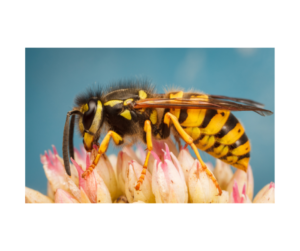 Yellow Jackets are a worldwide species identified by their typical yellow and black color pattern. They are extremely common in the United States, including Mechanicsville Virginia, especially in the summer and early fall. They are part of the Hymenoptera order and are social insects that live in nests and colonies. Their size ranges from 3/8 to 5/8 inches.
What should I know about Yellow Jackets?
The overwintering queen emerges in late spring and begins to develop her nest. She builds her nest from chewed-up cellulose material, which is used to start cells, and she then lays her eggs in each of those cells. It can take up to 30 days for the first few workers to emerge. Once they emerge, the nest begins to grow into a number of rounded paper combs attached to one below the other. The sizes of each nest can vary and contain up to thousands of workers.
What do Yellow Jackets eat?
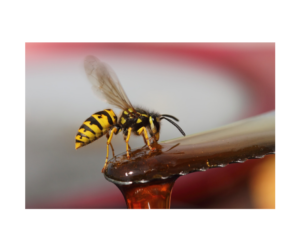 Yellow Jackets are very beneficial insects as they help control other insect populations. The adults feed off of nectar, mostly supplied to them by the larva in their nests. The Yellow Jacket adult collects food, such as other insects, and chews them up so their larva can consume them. In turn, the Larva secrete a sugary substance (nectar) for the adult workers to eat. This process is defined as Trophallaxis.
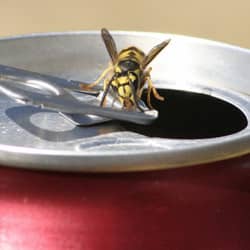 A key point of understanding is in fall, the larva in a nest produces less nectar for adults, which results in workers foraging for sugary substance substitutes. Common areas are fruits and human trash can areas. This is why in the fall during sporting events these pests can be a real nuisance around park trash cans and common areas.
What happens to them in the winter?
Towards the end of the season, new queens and males leave the nest/colony and begin to mate. Only the inseminated females hibernate, all other members die off, including the existing queen.
The overwintering inseminated queens look for shelter in wall voids, ground voids, and arial overwintering sites. Many times, they are found flying into homes seeking warmth during the winter months.
How do I treat for them?
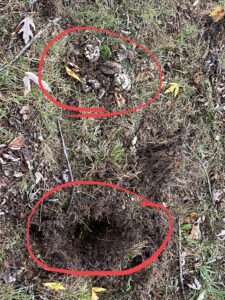 Nest sites are located in the ground, in hollow trees, or arial sites. The most common nest site for yellow jackets is a ground nest. Most nests have two access points; when threatened, yellow jackets become very aggressive and sting multiple times. Those of you who have been stung by them know how painful it is.
Control measures should be made at night when most of the workers are back in the nest/hive. If unable to treat at night, dust formulations are recommended as the returning members will transfer the product to the rest of the nest. Remove the nest, when possible, after treating it to void creating a dermestid beetle or other ectoparasites that develop from the dead larva, nest material, and cells left behind.
The application of liquid or aerosol products should only be used if you are treating the nest at night when most of the workers are there. After treatment, remove the nest to avoid future pest issues mentioned above.
Safety is the most crucial aspect when treating stinging insects and applying products. If possible, it is recommended to make applications using a bee pole or an extension-handle duster along with wearing a bee suit.
Yellow Jacket traps are effective in controlling the number of adults however they do nothing for eliminating the nest. The colony will continue to develop more workers than you can trap which is why you will notice a fluctuation in activity.
An All-Stars Pest Control professional is standing by and ready to answer any questions you may have when it comes to protecting your family, pets, and home.