
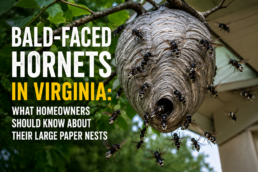
Bald-Faced Hornets in Virginia: What Homeowners Should Know About Their Large Paper Nests
A large gray paper nest hanging from a tree, shrub, porch, or roofline can be an alarming discovery.
These enclosed nests are often built by bald-faced hornets, a common stinging insect found throughout Virginia. Although they are frequently called hornets, bald-faced hornets are actually a type of aerial yellow jacket.
Their colonies may remain unnoticed early in the season because the nest begins small and is often hidden by leaves. As summer progresses, the nest and colony continue growing, making activity much easier to see.
What Does a Bald-Faced Hornet Look Like?
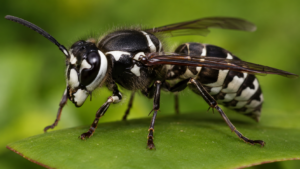 Bald-faced hornets have a distinctive appearance that separates them from the familiar yellow-and-black coloring of most yellow jackets.
They are primarily black with ivory-white markings on the:
• Face
• Thorax
• Legs
• End of the abdomen
Their mostly white face is responsible for the name “bald-faced hornet.”
Adult workers are typically larger than many common yellow jackets. Their dark coloring and size can make them appear intimidating, especially when several are flying around a nest.
What Does Their Nest Look Like?
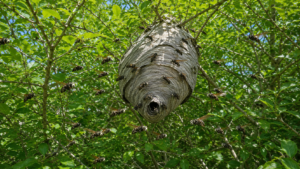
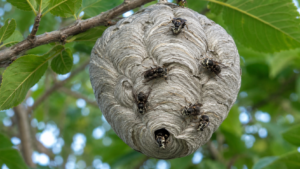 Bald-faced hornets build large, enclosed paper nests with a rounded, oval, or football-like shape.
The exterior usually has swirling layers of gray and tan paper. The insects create this material by chewing weathered wood fibers and mixing them with saliva.
Unlike the exposed, umbrella-shaped nests made by paper wasps, a bald-faced hornet nest has an outer paper covering that protects the internal combs.
The nest normally has one entrance near the bottom. Workers regularly enter and leave through this opening, and several hornets may remain nearby to guard it.
Where Do Bald-Faced Hornets Build Their Nests?
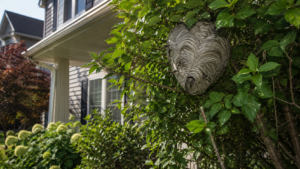 Bald-faced hornets generally build aerial nests above the ground.
Common nesting locations include:
• Trees
• Dense shrubs
• Beneath roof overhangs
• Porch ceilings
• Around sheds and outbuildings
• Utility poles
• Beneath decks
• Around windows
• Building exteriors
Nests may be built several feet above the ground, but they can also appear in low shrubs or landscaping where homeowners, children, pets, or landscaping crews may accidentally get too close.
A nest surrounded by summer foliage can be surprisingly difficult to notice until leaves are trimmed or activity increases.
Are Bald-Faced Hornets Aggressive?
 Bald-faced hornets are predators that feed on flies, other insects, and sometimes other yellow jackets. Away from the nest, an individual hornet may not cause a problem.
However, the colony can become highly defensive when the nest is approached, shaken, struck, or otherwise disturbed.
Common activities that may trigger a defensive response include:
• Trimming trees or shrubs
• Mowing near a low nest
• Using ladders nearby
• Pressure washing
• Construction or roofing work
• Children playing close to the nest
• Pets moving through landscaping
• Striking the nest with a branch or tool
Unlike honeybees, bald-faced hornets can sting more than once. When the nest is threatened, multiple workers may respond.
Should Every Nest Be Removed?
Not every bald-faced hornet nest requires immediate treatment.
A nest located high in a tree and far away from regular human activity may be left alone in some situations. Bald-faced hornets provide ecological benefits by feeding on flies and other insects.
However, removal should be considered when the nest is:
• Near a doorway or walkway
• Close to a deck, porch, or patio
• In a frequently used portion of the yard
• Near children or pets
• Around a business entrance
• Close to landscaping or maintenance work
• Low enough to be disturbed accidentally
• Near someone with a known sting allergy
The nest’s location and the likelihood of contact are generally more important than its appearance alone.
Why You Should Not Knock Down an Active Nest
Attempting to knock down, cut, spray, burn, or strike an active nest can provoke a rapid defensive response.
Even when only a few hornets are visible outside, many more may be protected inside the nest.
Homeowners should avoid:
• Throwing objects at the nest
• Spraying it with a garden hose
• Cutting the supporting branch
• Sealing the entrance
• Burning the nest
• Standing directly underneath it
• Using a ladder near active hornets
Aerosol sprays may also require the user to stand closer than is safe, especially when the nest is large or elevated.
What Should You Do After Finding a Nest?
Keep people and pets away from the area and avoid disturbing nearby branches, shrubs, siding, or structures.
Observe the nest only from a safe distance. Look for consistent flight activity entering and leaving through an opening near the bottom.
Do not stand directly beneath the nest or block the insects’ flight path.
If the nest is located near an occupied area, contact a pest management professional for an evaluation.
Do Bald-Faced Hornets Reuse Old Nests?
Bald-faced hornet colonies are seasonal.
The workers and original queen generally die as cold weather arrives. Newly produced queens leave the nest, mate, and spend the winter protected in sheltered locations.
The old paper nest is not normally reused the following year. However, a new queen may build another nest elsewhere on the same property if suitable conditions are available.
An abandoned nest may gradually deteriorate from weather, birds, and other wildlife.
Preventing Problems Around Your Property
It is difficult to prevent every aerial nest because queens can choose many different locations.
Regular inspections can help identify nests while they are still small.
During spring and early summer, inspect:
• Rooflines and soffits
• Porch ceilings
• Decks
• Sheds
• Trees near walkways
• Dense shrubs
• Play areas
• Frequently used portions of the yard
Trim vegetation carefully and look for repeated insect traffic before beginning landscaping work.
Keeping trash containers closed and cleaning sugary food or beverage spills may also reduce foraging activity around patios, events, and outdoor dining areas.
The All-Stars Approach to Bald-Faced Hornet Control
At All-Stars Pest Control, we begin by correctly identifying the insect and evaluating the location of the nest.
We consider:
• The height and accessibility of the nest
• The size and activity of the colony
• Nearby doors, walkways, and gathering areas
• The risk to children, pets, customers, or employees
• The safest and most practical treatment method
Our goal is to provide straightforward recommendations without using fear to sell unnecessary services.
Bald-Faced Hornet Control in Central Virginia
All-Stars Pest Control is a family-owned pest control company serving Mechanicsville, Hanover, Richmond, Glen Allen, Ashland, Chesterfield, and surrounding Central Virginia communities.
If you discover a large paper nest near your home, business, deck, landscaping, or entrance, avoid disturbing it.
Contact All-Stars Pest Control for proper identification, practical advice, and professional treatment when needed.

WHY YELLOW JACKETS BECOME MORE AGGRESSIVE IN LATE SUMMER IN VIRGINIA
 If yellow jackets suddenly seem to be everywhere around your yard, trash cans, deck, or outdoor dining area, you are not imagining it.
Yellow jacket activity commonly increases during the second half of summer throughout Mechanicsville, Hanover, Richmond, and Central Virginia. Their colonies are larger, food sources are changing, and the insects may become much more defensive around their nests.
Understanding what is happening can help you protect your family, pets, employees, and guests without taking unnecessary risks.
WHY ARE YELLOW JACKETS MORE ACTIVE IN LATE SUMMER?
A yellow jacket colony begins relatively small in the spring. As the weather warms, the queen produces more workers, and the colony continues growing throughout the summer.
By late summer, a mature nest may contain hundreds or even thousands of yellow jackets. More workers means more insects leaving the nest to search for food and more yellow jackets defending the colony.
Their feeding habits also begin to change.
Earlier in the season, yellow jackets frequently hunt insects and other sources of protein to feed developing larvae. Later in the summer, they become increasingly attracted to sugary foods and drinks.
This is why yellow jackets commonly appear around:
• Trash and recycling containers
• Outdoor meals and cookouts
• Soda cans and sweet tea
• Fallen fruit
• Pet food
• Restaurant dumpsters
• Festival and concession areas
A single uncovered drink or food container can attract multiple yellow jackets surprisingly quickly.
WHERE DO YELLOW JACKETS BUILD THEIR NESTS?
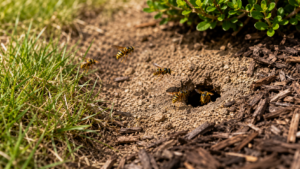
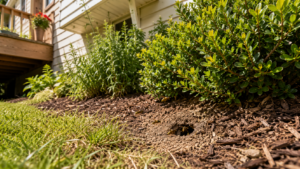 Many yellow jacket nests are hidden, making them difficult to notice until the colony has become well established.
Common nesting locations include:
• Abandoned rodent burrows
• Holes in the ground
• Landscape beds
• Areas beneath shrubs
• Wall voids
• Attics and soffits
• Sheds and outbuildings
• Openings around siding
• Spaces beneath decks or porches
Ground nests can be especially dangerous because homeowners may accidentally disturb them while mowing, trimming shrubs, pulling weeds, or allowing children and pets to play nearby.
One of the clearest signs of a nest is a steady stream of insects entering and leaving the same opening.
ARE YELLOW JACKETS THE SAME AS BEES?
Yellow jackets are wasps, not bees.
They usually have smooth, brightly marked yellow-and-black bodies and a more defined waist. Unlike honeybees, yellow jackets can sting repeatedly.
They are beneficial predators because they feed on many other insects. However, a nest located near a doorway, walkway, playground, deck, business entrance, or frequently used portion of the yard can create a serious safety concern.
WHY DO YELLOW JACKETS BECOME AGGRESSIVE?
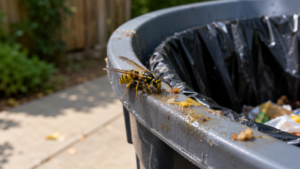 Yellow jackets do not always attack without reason, but they are highly defensive of their nesting area.
Vibrations from lawn equipment, footsteps near an underground nest, landscaping work, or attempts to block the nest opening may trigger defensive behavior. Once the colony senses a threat, multiple yellow jackets may respond.
They can also become persistent around food and drinks during late summer. Swatting at them or attempting to crush one near the nest may increase the danger.
The safest response is to move calmly away from the area and avoid disturbing the nest.
SHOULD YOU TREAT A YELLOW JACKET NEST YOURSELF?
Spraying the insects that you see flying around will not necessarily eliminate the colony. The majority of the yellow jackets may remain protected inside the nest.
Attempting a do-it-yourself treatment can also be risky when:
• The nest entrance is difficult to see
• The colony is inside a wall
• The nest is close to a doorway or walkway
• The insects are entering through siding or roofing
• Someone nearby is allergic to stings
• The nest is underground
• The colony has already become defensive
Never seal an active wall opening without first addressing the colony. Yellow jackets trapped inside a structure may search for another exit and sometimes enter the living space.
Pouring gasoline, bleach, boiling water, or other household chemicals into a ground nest is also unsafe and may contaminate the soil without eliminating the entire colony.
WHAT SHOULD YOU DO AFTER FINDING A NEST?
Keep children and pets away from the area and stop mowing, trimming, or performing other work near the nest.
Try to identify the entrance from a safe distance, but do not stand directly in the insects’ flight path. Avoid striking the nest, blocking the opening, or spraying it while people are nearby.
When the nest is located near an occupied area, professional inspection and treatment are generally the safest options.
PREVENTING YELLOW JACKET PROBLEMS AROUND YOUR PROPERTY
Although it is impossible to prevent every yellow jacket from entering your yard, several steps can make the property less attractive:
• Keep outdoor trash containers tightly closed
• Rinse food residue from recycling containers
• Clean spills from patios, decks, and outdoor tables
• Avoid leaving pet food outdoors
• Pick up fallen fruit
• Inspect soffits, siding, and exterior openings
• Cover drinks when eating outside
• Check cans and bottles before taking a sip
• Keep food covered during cookouts and outdoor events
Commercial properties, restaurants, parks, community organizations, and outdoor event locations should pay particular attention to dumpsters, trash cans, concession areas, and beverage stations.
THE ALL-STARS APPROACH TO YELLOW JACKET CONTROL
At All-Stars Pest Control, our goal is to solve the problem without selling fear.
We begin by identifying the insect, locating the nest whenever possible, and determining whether it is in the ground, inside a structure, or attached to the exterior. We then recommend an appropriate treatment based on the nest location and the conditions surrounding the property.
Clear communication is especially important with stinging insects. We explain what we find, how the treatment works, and what activity you may notice afterward.
YELLOW JACKET CONTROL IN CENTRAL VIRGINIA
All-Stars Pest Control is a family-owned pest control company serving Mechanicsville, Hanover, Richmond, Glen Allen, Ashland, Chesterfield, and surrounding Central Virginia communities.
If yellow jackets are nesting near your home, business, deck, entrance, or outdoor gathering area, do not put yourself or your family at unnecessary risk.
Contact All-Stars Pest Control to schedule an inspection and receive trusted advice, clear communication, and a practical solution for your property.
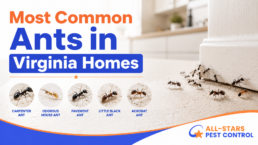
Most Common Ants in Virginia Homes
Most Common Ants in Virginia Homes
Seeing ants inside your home can be frustrating — especially when they seem to appear out of nowhere.
In areas like Mechanicsville and the greater Richmond region, ants are one of the most common pest issues homeowners deal with during the warmer months. But not all ants are the same, and knowing what type of ant you are dealing with can make a big difference in how the problem should be handled.
Why Ant Identification Matters
Many homeowners see ants and immediately reach for a spray. While that may kill the ants you see, it usually does not solve the real problem.
Different ant species behave differently. Some are looking for food. Some are attracted to moisture. Others may be nesting in wood or around the structure.
That is why proper identification is important before treatment begins.
1. Odorous House Ants
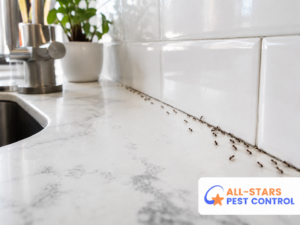 Odorous house ants are one of the most common ants found inside Virginia homes.
They are small, dark-colored ants that often show up in kitchens, bathrooms, and around sinks. They are commonly attracted to sweets, grease, crumbs, and moisture.
These ants get their name from the strong odor they can give off when crushed, often described as a rotten coconut-like smell.
Common signs:
- Trails along countertops, baseboards, or windowsills
- Activity around sinks and moisture areas
- Ants appearing after rain or weather changes
- Small dark ants showing up in large numbers
2. Pavement Ants
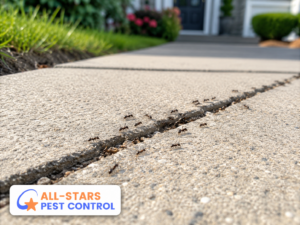 Pavement ants are another common ant species around homes, sidewalks, driveways, patios, and foundations.
They often nest under pavement, concrete slabs, stones, and along foundation areas. Once they find food inside, they may begin trailing into kitchens, pantries, or living spaces.
Common signs:
- Small ants near doors, garages, or foundation cracks
- Ant trails near sidewalks, patios, or driveways
- Small piles of soil near concrete edges
- Activity around pet food, crumbs, or pantry items
3. Carpenter Ants
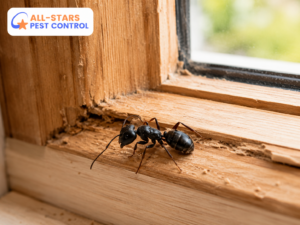 Carpenter ants are larger than many other household ants and can be a bigger concern for homeowners.
Unlike termites, carpenter ants do not eat wood. However, they can tunnel through damaged or moisture-softened wood to create nesting areas.
Because they are often associated with moisture issues, seeing carpenter ants inside should not be ignored.
Common signs:
- Larger black or dark-colored ants inside the home
- Activity near windows, doors, bathrooms, kitchens, or crawl spaces
- Small piles of sawdust-like material
- Ants appearing at night or in certain rooms repeatedly
4. Acrobat Ants
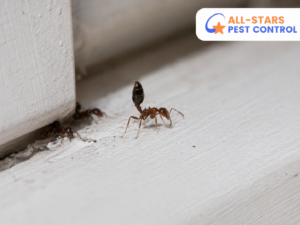 Acrobat ants are small ants that may nest in damp or damaged wood, wall voids, insulation, or around exterior areas of the home.
They get their name because they can raise their abdomen over their body when disturbed.
These ants are often associated with moisture, damaged wood, or areas where previous pest activity may have occurred.
Common signs:
- Small ants near windows, doors, or siding
- Activity around damp wood or moisture-prone areas
- Ants trailing along exterior walls or foundation areas
- Occasional activity inside wall voids or around trim
5. Little Black Ants
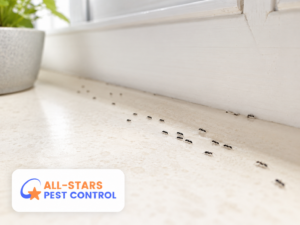 Little black ants are exactly what they sound like — very small, dark ants that can show up inside homes looking for food.
They may nest outside under rocks, mulch, logs, or landscaping, but they can enter homes when they find food sources indoors.
Common signs:
- Tiny black ants in kitchens or bathrooms
- Trails near crumbs, sweets, grease, or pet food
- Activity near windows, doors, or baseboards
- Ants appearing repeatedly even after cleaning
Where Ants Commonly Enter Homes
No matter the species, ants are small and can enter through tiny openings around the home.
Common entry points include:
- Cracks around windows and doors
- Gaps around utility lines
- Foundation cracks
- Garage door edges
- Crawl space vents and openings
- Areas where landscaping touches the home
Why Ant Problems Keep Coming Back
Ant problems often return because the colony is still active outside or hidden in a wall void, landscaping bed, crawl space, or moisture-prone area.
Spraying the ants you see may provide short-term relief, but it usually does not address the colony or the conditions attracting them.
That is why professional ant control focuses on identification, inspection, entry points, and targeted treatment.
How Homeowners Can Help Prevent Ants
There are a few simple steps that can help reduce ant activity around your home:
- Clean up crumbs and spills quickly
- Store food in sealed containers
- Keep pet food picked up when not in use
- Fix leaks and moisture issues
- Trim shrubs and branches away from the home
- Reduce heavy mulch buildup near the foundation
- Seal obvious cracks or gaps where ants may enter
Need Help Identifying Ants in Your Home?
If ants are showing up inside your home in Mechanicsville or the Richmond area, knowing what type of ant you are dealing with is the first step.
At All-Stars Pest Control, we help homeowners identify where ants are coming from and provide treatment options designed to control the problem at the source.
Don’t keep fighting the same ant problem over and over — let’s find out what’s really going on.
Why Are Ants Invading My Home Right Now?
Why Are Ants Invading My Home Right Now?
If ants suddenly show up in your kitchen, bathroom, or around windows and doors, you are not alone.
In areas like Mechanicsville and the greater Richmond region, ant activity often increases during the warmer months. As temperatures rise and moisture levels change, ants begin searching for food, water, and shelter — and unfortunately, your home can become the perfect target.
Why Ants Come Inside
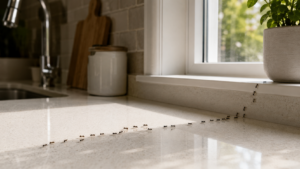 Ants usually enter homes for one of three reasons:
- Food — crumbs, spills, pet food, sugar, grease, and pantry items
- Water — sinks, bathrooms, leaky pipes, dishwashers, and damp areas
- Shelter — protection from heat, rain, dry weather, or changing outdoor conditions
Even a small food source or moisture issue can attract ants and lead to a steady trail inside.
Why Ants Seem to Appear Overnight
Many homeowners feel like ants show up out of nowhere. In reality, ants may have already been active outside around your foundation, mulch beds, walkways, or landscaping.
Once scout ants find food or water inside, they leave a scent trail for the rest of the colony to follow. That is why you may see just a few ants one day and a full trail the next.
Common Places Ants Enter Your Home
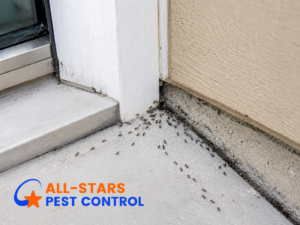 Ants are small and can enter through tiny openings around the structure.
Common entry points include:
- Cracks around windows and doors
- Gaps around utility lines
- Foundation cracks
- Garage door edges
- Areas where siding, brick, or trim meet
- Crawl space vents and openings
Because ants are so small, it does not take much of an opening for them to find a way inside.
Why DIY Ant Sprays Often Do Not Work
Most homeowners reach for an over-the-counter spray when they see ants. While sprays may kill the ants you see, they usually do not solve the colony problem.
In some cases, spraying can actually make the issue worse by causing certain ant colonies to split or relocate.
The key is identifying the ant species, finding the source, and using the right treatment strategy.
How to Help Prevent Ants Inside
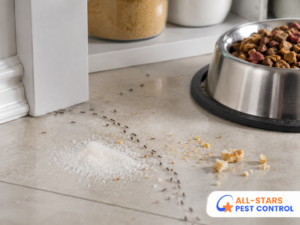 There are several steps homeowners can take to reduce ant activity:
- Wipe down counters and clean up spills quickly
- Store food in sealed containers
- Keep pet food picked up when not in use
- Empty trash regularly
- Fix moisture issues or leaks
- Trim branches and shrubs away from the home
- Reduce mulch buildup against the foundation
These steps can help, but if ants are already trailing inside, professional treatment may be needed to control the problem at the source.
When Should You Call a Professional?
You should consider calling a pest control professional if:
- You keep seeing ants after cleaning
- Ant trails return after spraying
- Ants are showing up in multiple rooms
- You see activity around windows, doors, or the foundation
- You are unsure what type of ant you are dealing with
A proper inspection can help determine where the ants are coming from and what treatment approach makes the most sense.
Stop Ants Before They Take Over
If ants are invading your home in Mechanicsville or the Richmond area, there is usually a reason behind it.
At All-Stars Pest Control, we help homeowners identify the source of ant problems and provide treatment options designed to control ants where they are coming from — not just the ones you see on the counter.
Don’t wait for a few ants to become a bigger problem. Get ahead of them early.

What’s Included in a Yard Guard Program?
If mosquitoes, fleas, or ticks are making it harder to enjoy your yard, a professional Yard Guard program may be exactly what your home needs.
In areas like Mechanicsville and the greater Richmond region, outdoor pests become a major problem during the warmer months. Mosquitoes can make evenings outside miserable, ticks can hide in grass and shaded areas, and fleas can affect pets before homeowners even realize there is a problem.
That’s where a consistent Yard Guard program can make a big difference.
What Is a Yard Guard Program?
A Yard Guard program is an outdoor pest control service designed to help reduce mosquitoes, fleas, and ticks around your yard.
Instead of waiting until these pests become a major issue, the goal is to stay ahead of them with regular treatments throughout the season.
At All-Stars Pest Control, our Yard Guard program focuses on the areas where outdoor pests are most likely to rest, breed, and travel.
What Pests Does Yard Guard Help Control?
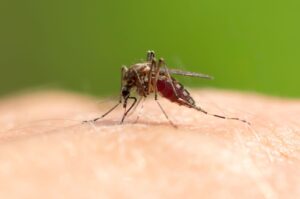 Our Yard Guard program is designed to help with three major outdoor pests:
- Mosquitoes — commonly found around shaded areas, vegetation, and standing water
- Fleas — often found in shaded soil, under decks, mulch beds, and areas where pets spend time
- Ticks — commonly found along fence lines, tall grass, wooded edges, and dense vegetation
These pests are common throughout Virginia and can quickly become frustrating for homeowners who enjoy spending time outside.
What Areas Are Treated?
 Every property is different, but Yard Guard treatments typically focus on key outdoor areas where mosquitoes, fleas, and ticks are most likely to be active.
Common treatment areas may include:
- Bushes and shrubs
- Fence lines
- Mulch beds
- Shaded areas
- Areas under decks or porches
- Perimeter zones around the yard
- Areas where pets and family members spend time outdoors
The goal is to target the areas where these pests are most likely to live and rest during the day.
Why Consistency Matters
One-time treatments may help temporarily, but mosquitoes, fleas, and ticks can continue to reproduce and re-enter your yard throughout the season.
That’s why consistency is so important.
A recurring Yard Guard program helps:
- Reduce pest populations over time
- Interrupt breeding and activity cycles
- Maintain protection during peak pest season
- Keep your outdoor space more comfortable
For most Virginia homes, outdoor pest pressure builds from spring through early fall, which is why regular seasonal treatments are recommended.
When Should Yard Guard Treatments Start?
In Central Virginia, mosquito, flea, and tick activity can begin earlier than many homeowners expect.
As temperatures warm up in spring, these pests become more active. Starting early helps prevent populations from building before they become a bigger problem.
For best results, homeowners should consider starting Yard Guard treatments before outdoor pests are already out of control.
Is Yard Guard Worth It?
If you enjoy spending time outside, have pets, have kids, or like hosting family and friends, a Yard Guard program can be a valuable part of protecting your outdoor space.
It’s not just about reducing bugs — it’s about being able to enjoy your yard again.
Yard Guard can help make outdoor spaces more comfortable for:
- Backyard cookouts
- Kids playing outside
- Pets spending time in the yard
- Evenings on the patio
- Family gatherings
What Can Homeowners Do Between Treatments?
Professional treatments work best when homeowners also help reduce conditions that attract outdoor pests.
Helpful steps include:
- Empty standing water from buckets, toys, planters, and bird baths
- Keep grass cut short
- Trim bushes and vegetation
- Remove leaf litter and yard debris
- Keep gutters clean and draining properly
- Limit clutter where water can collect
These steps help make your yard less attractive to mosquitoes, fleas, and ticks.
Protect Your Yard This Season
 If mosquitoes, fleas, or ticks are keeping you from enjoying your yard, it may be time to consider a Yard Guard program.
At All-Stars Pest Control, we help homeowners in Mechanicsville and the greater Richmond area protect their outdoor spaces with consistent seasonal treatments.
Don’t wait until your yard becomes uncomfortable — get ahead of outdoor pests before they take over.

When Should You Start Mosquito Treatments in the Mechanicsville & Richmond Virginia area?
When Should You Start Mosquito Treatments in Virginia?

If you’re asking when to start mosquito treatments in Virginia, the answer is simple: earlier than you think.
In areas like Mechanicsville and the greater Richmond region, mosquito activity can begin as early as March and quickly ramps up through May and June. Waiting until you’re getting bitten usually means you’re already behind.
When Do Mosquitoes Become Active in Virginia?
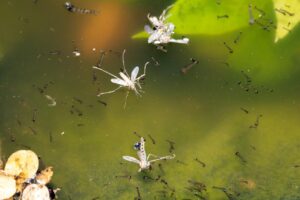 Mosquitoes thrive when temperatures consistently stay above 50°F. In Central Virginia, that typically happens in early spring. Once that warmth hits — especially after rain — mosquito populations begin to explode.
By May, many homeowners are already dealing with heavy activity in their yards.
Why Starting Early Matters
The biggest mistake homeowners make is waiting until mosquitoes are a problem.
- They reproduce quickly — even small amounts of standing water can produce hundreds
- Once populations build, they’re harder to control
- You lose valuable outdoor time during peak spring and summer months
Starting treatments early helps prevent the population from ever getting out of control.
What’s the Ideal Mosquito Treatment Schedule?
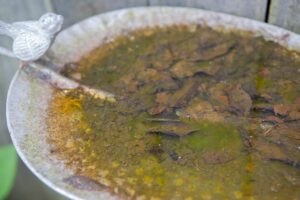 For most homes in Virginia, a professional mosquito control program runs from March through September with monthly treatments.
This approach:
- Breaks the mosquito life cycle
- Keeps populations consistently low
- Protects your yard during peak outdoor season
What Attracts Mosquitoes to Your Yard?
 Even well-maintained yards can attract mosquitoes. The most common causes include:
- Standing water (gutters, toys, planters)
- Dense vegetation and shaded areas
- High humidity and poor airflow
While reducing these helps, it’s often not enough to fully eliminate the problem.
Are Mosquito Treatments Worth It?
For many homeowners, the answer is yes — especially if you enjoy spending time outside.
Professional treatments allow you to:
- Use your yard without constant bites
- Protect your family and pets
- Enjoy outdoor gatherings, cookouts, and evenings again
Protect Your Yard Before Mosquito Season Peaks
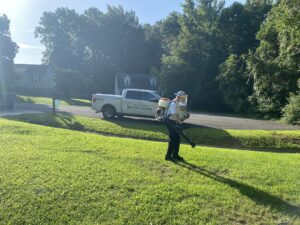 If you’re in Mechanicsville or the surrounding Richmond area, now is the time to act.
At All-Stars Pest Control, our Yard Guard program is designed to keep your outdoor spaces comfortable all season long.
Don’t wait until mosquitoes take over your yard — get ahead of them.
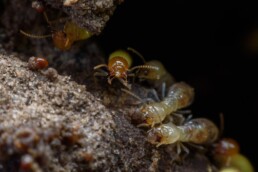
What to Do If You See Termites Swarming in Your Home (Virginia Homeowner Guide)
If you suddenly notice dozens of small flying insects near your windows, doors, or lights, especially in the spring — there’s a strong chance you’re looking at termite swarmers.
- 👉 Swarming termites inside your home is NOT normal
- 👉 It usually means there is an active colony nearby — or already inside
In Mechanicsville, Hanover, and the Richmond area, termite swarm season typically hits mid-March through May, especially after warm rain.
🐜 What Are Termite Swarmers?
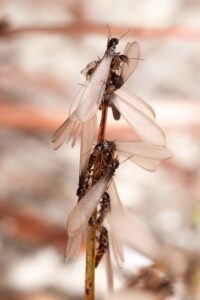
Termite swarmers (also called alates) are reproductive termites sent out to start new colonies.
How to identify them:
- Straight antennae
- Thick, uniform waist
- Two pairs of wings (same size)
- About the size of a paperclip
⚠️ Common mistake: Many homeowners think they’re flying ants — but ants have bent antennae, pinched waists, and uneven wings.
❗ Why Termites Swarm Inside Your Home
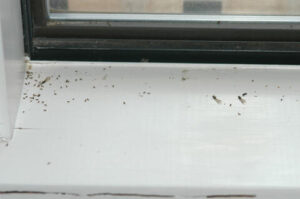
If swarmers are outside, it could be seasonal.
If they’re inside, it’s a different story.
- A colony is inside your walls or structure
- Or directly under your home in the soil
- They’ve found a warm, controlled environment to reproduce
This is your early warning system — and honestly, it’s a gift if you catch it now.
✅ What To Do Immediately (Step-by-Step)
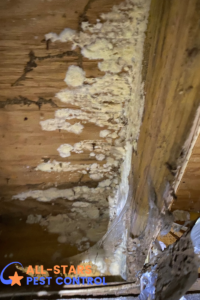
1. Don’t Panic — But Act Quickly
Swarmers themselves don’t cause damage — but they signal the workers already are.
2. Do NOT Spray Random Chemicals
Store-bought sprays may kill what you see, but they do nothing to eliminate the colony.
3. Capture or Photograph Them
Take a clear photo or collect a few for identification.
4. Check Key Areas
- Mud tubes on foundation walls
- Discarded wings near windows
- Soft or damaged wood
- Crawlspace or basement activity
5. Schedule a Professional Inspection
A professional can determine:
- If termites are active
- Where they’re coming from
- The extent of damage
- The best treatment option
👉 Early detection can save thousands in repairs.
🏠 What NOT To Do
- ❌ Don’t ignore it
- ❌ Don’t assume they’re ants
- ❌ Don’t rely on DIY sprays
- ❌ Don’t disturb walls or wood
💡 What Happens Next (If Termites Are Confirmed)
🛡️ Liquid Barrier Treatment (Termidor)
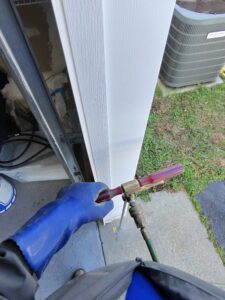
- Eliminates termites at the source
- Fast and effective
🪵 Termite Baiting System (Advance System)
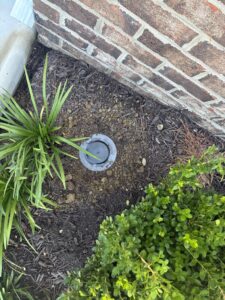
- Monitors and eliminates colonies over time
- Provides long-term protection
- Eco-conscious approach
📍 Local Insight: Termites in Central Virginia
In Mechanicsville, Hanover, and Richmond, the primary species is the Eastern Subterranean Termite.
- Live underground
- Enter through foundation cracks
- Thrive in moisture
- Active year-round
⭐ Final Thoughts: Don’t Wait
If you see termites swarming inside your home:
👉 This is a warning sign.
- The sooner you act, the less damage occurs
- Treatment is easier and more affordable
- Your home stays protected
📞 Need Help in Mechanicsville or Richmond, VA?
All-Stars Pest Control is here to help.
- ✔ Thorough termite inspections
- ✔ Proven treatment options
- ✔ Honest recommendations
👉 Call today or schedule your inspection online.
American Cockroaches in Virginia: What Homeowners Need to Know
American Cockroaches in Virginia: What Homeowners Need to Know
If you’ve ever seen a large reddish-brown cockroach dart across your floor at night, chances are you’ve encountered an American cockroach. These pests aren’t just unsettling—they’re often a sign of moisture issues, hidden entry points, and favorable living conditions inside your home or business.
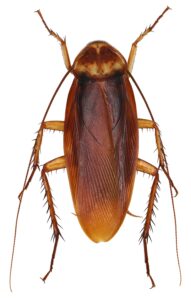
The American cockroach (Periplaneta americana) is one of the largest and most common cockroach species found in Virginia. Despite the name, they are commonly found worldwide and thrive in warm, damp environments.
- Scientific name: Periplaneta americana
- Size: 1.5 to 2 inches long
- Color: Reddish-brown
- Capable of short bursts of flight or gliding
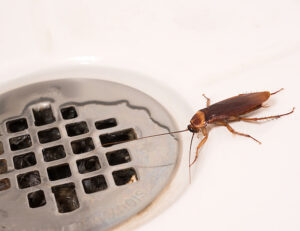
How to Identify Them
- Distinct yellowish “figure-8” pattern behind the head
- Long, active antennae
- Fully developed wings
- Fast-moving, especially when exposed to light
Where Do American Cockroaches Come From?
American cockroaches are typically found in areas with high moisture and organic material. They often originate from:
- Sewer systems
- Basements and crawl spaces
- Floor drains
- Commercial kitchens and boiler rooms
Once inside, they seek out warmth, moisture, and food sources.
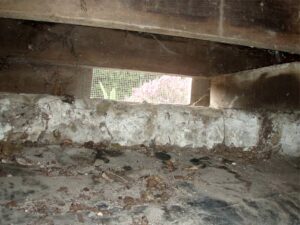
Signs of an Infestation
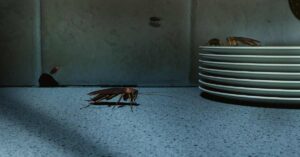
- Seeing large roaches at night
- Musty or oily odor
- Small, dark droppings
- Egg cases (oothecae)
- Increased activity in kitchens and bathrooms
Why You See Them at Night
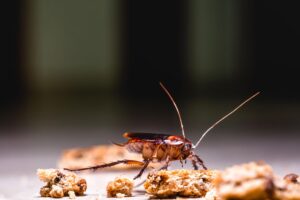
American cockroaches are nocturnal. If you’re seeing them during the day, it may indicate:
- A larger infestation
- Limited hiding spaces
- Increased competition for food
How They Get Inside
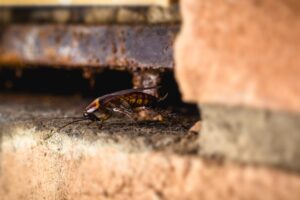
- Gaps around plumbing lines
- Foundation cracks
- Door thresholds
- Utility penetrations
- Drain systems
How to Prevent American Cockroaches
- Seal cracks and entry points
- Fix leaks and reduce moisture
- Keep food sealed and areas clean
- Maintain drains and plumbing
- Schedule routine pest inspections
The All-Stars Approach
At All-Stars Pest Control, we don’t just treat the problem—we identify the source and build a long-term solution.
- Comprehensive inspection of entry points
- Moisture and environmental assessment
- Targeted treatment plans
- Ongoing protection options
Schedule Your Inspection Today
If you’re seeing American cockroaches in your home or business, don’t wait. Early detection leads to faster, more effective control.
Contact All-Stars Pest Control today to schedule your inspection and protect your property.
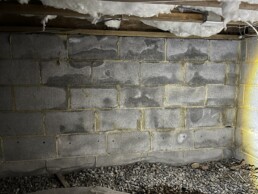
Stop Moisture Problems Before They Destroy Your Home: The Benefits of Crawl Space Encapsulation
When most homeowners think of protecting their home, they picture the roof, siding, and foundation. But one of the most overlooked (and most damaging) issues starts right under your feet — in the crawl space.
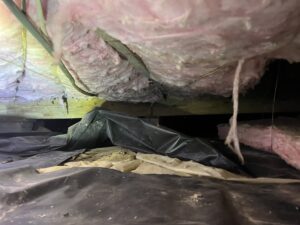 Moisture in your crawl space can create serious problems, including:
- Wood rot and structural damage
- Fungus and mildew growth that can spread into your living space
- Musty odors and poor indoor air quality
- Increased pest activity (termites, ants, rodents love damp conditions)
- Higher energy bills due to excess humidity
The good news? Crawl space encapsulation is a proven way to stop these issues before they spiral out of control.
What Is Crawl Space Encapsulation?
Encapsulation is the process of sealing off your crawl space with a heavy-duty vapor barrier, insulation, and in many cases, a dehumidifier. By creating a dry, controlled environment, you prevent ground moisture and outside humidity from entering your home.
Think of it as putting your crawl space in a protective bubble — one that keeps out dampness, pests, and costly damage.
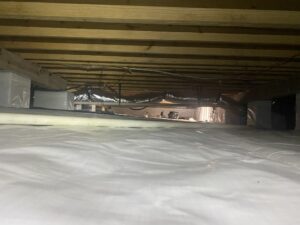 Benefits of Crawl Space Encapsulation
- Protects Your Investment – Prevents wood decay, foundation damage, and expensive repairs.
- Improves Air Quality – Keeps fungal spores, mildew, and musty odors from seeping into your living space.
- Keeps Pests Out – Termites, ants, spiders, and rodents are far less likely to thrive in a dry, sealed crawl space.
- Energy Savings – A sealed crawl space helps your HVAC system run more efficiently, lowering utility bills.
- Peace of Mind – You’ll know the hidden part of your home is protected year-round.
Signs You May Need Encapsulation
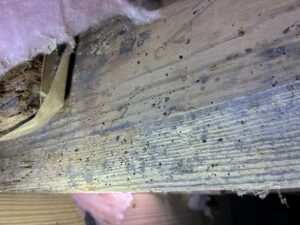 Standing water or damp soil under your home
- Musty odors inside your house
- Visible mold or mildew on wood and insulation
- Sagging or damaged insulation in the crawl space
- Pest activity in or around your crawl space
If you notice any of these, it’s time to act before small problems become costly repairs.
[Media - conductive conditions]
Take Action Today
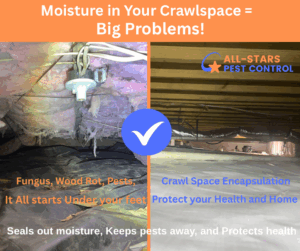 At All-Stars Pest Control, we specialize in crawl space encapsulation and moisture control solutions tailored to your home. Our team uses proven products and expert installation to protect your crawl space, improve your air quality, and safeguard your investment.
Call us today to schedule your free inspection and estimate. Don’t wait until moisture turns into major damage — protect your home now!
Virginia Termites: Everything Homeowners Need to Know
Why Termites Are a Bigger Threat Than You Think
In Virginia, termites aren’t just a springtime nuisance — they’re a year-round threat that can silently eat away at your home’s structure. In fact, the average repair bill for a termite infestation in Virginia tops $3,000, and severe infestations can reach $5,000–$10,000+.
The worst part? Homeowners insurance doesn’t cover termite damage.
 Common Termites in Virginia
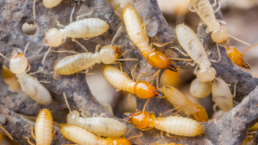
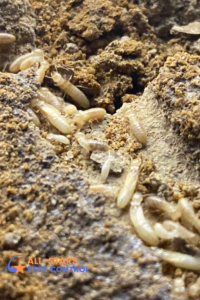
Virginia is home to two main types of destructive termites:
- Subterranean Termites – The most common in our state, living underground and building mud tubes to access your home.
- Drywood Termites – Less common but equally damaging, living inside the wood they consume.
Signs of Termite Activity
Early detection can save you thousands. Watch for:
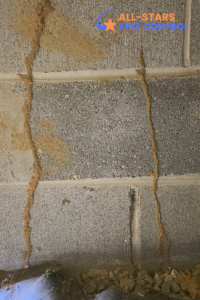
- Mud Tubes – Pencil-thin tunnels on foundations, crawl spaces, or walls.
- Hollow-Sounding Wood – Tap wood surfaces; a hollow sound may mean termites are inside.
- Frass (Termite Droppings) – Small, sand-like pellets near baseboards or windowsills.
- Swarmers (Winged Termites) – Usually spotted in spring but can emerge indoors year-round.
Why Virginia Homes Are at Risk
Our warm, humid climate makes Virginia the perfect breeding ground for termites. Mechanicsville and surrounding areas see high termite pressure, meaning infestations are more likely and can spread quickly.
Treatment Options
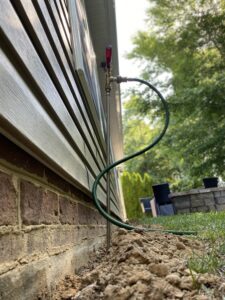
- Liquid Barrier Treatments
- Creates a protective zone in the soil around your home.
- Kills termites on contact and prevents new colonies from entering.
- Bait Systems
- Uses strategically placed bait stations to attract and eliminate the entire colony.
- Great for ongoing monitoring and prevention.
Prevention Tips for Homeowners
- Keep gutters clean and divert water away from your foundation.
- Repair leaks quickly — termites are drawn to moisture.
- Store firewood at least 20 feet from your home.
- Schedule annual termite inspections with a licensed pest control professional.
Why Choose All-Stars Pest Control
As a local Mechanicsville, VA pest control company, we understand the specific termite threats facing Virginia homeowners. Our free termite checks and custom prevention plans help you stop damage before it starts.