
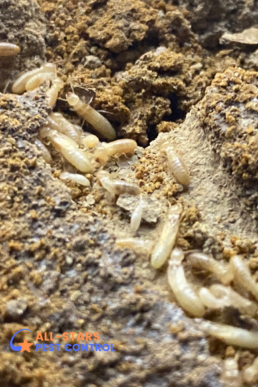
Spring Is Coming! Time for Termite Inspections in Mechanicsville and Richmond, VA
As the chill of winter fades and the warmth of spring begins to take over in Mechanicsville, VA, homeowners have a lot to look forward to—blooming flowers, longer days, and outdoor activities. But there’s one thing you don’t want to overlook this season: termites.
Why Spring Is Prime Termite Season
Spring is when termites become most active, swarming and searching for new places to establish their colonies. The increased moisture from spring rains combined with warming temperatures creates the perfect environment for termites to thrive. If left unchecked, these destructive pests can silently cause thousands of dollars in structural damage to your home before you even notice them.
 Signs You Might Have Termites
Early detection is key to preventing costly repairs. Here are some signs that termites may be invading your property:
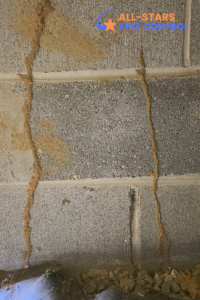
- Mud tubes along your foundation, walls, or crawl spaces
- Hollow-sounding wood when tapped
- Piles of discarded wings near windows and doors (a sign of swarmers)
- Bubbling or warped paint on walls
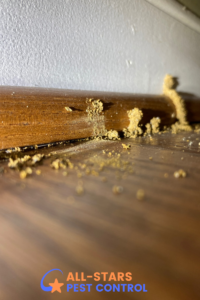
- Frass (termite droppings) resembling sawdust
If you notice any of these warning signs, it’s time to take action immediately!
‘The Importance of Professional Termite Inspections
A professional termite inspection from All-Stars Pest Control can help identify termite activity before it gets out of hand. Our trained experts use specialized equipment to detect hidden infestations and provide customized treatment solutions to protect your home. Whether you need a preventive inspection or suspect an active infestation, we’ve got you covered.
What to Expect During a Termite Inspection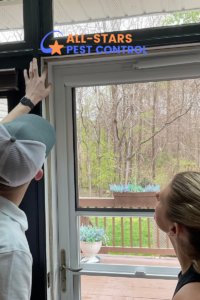
When you schedule a termite inspection with All-Stars Pest Control, our technicians will:
- Conduct a thorough examination of your home’s foundation, crawl spaces, and wood structures.
- Look for visible signs of termite damage and activity.
- Use advanced tools to detect termites hidden behind walls and under flooring.
- Provide a detailed report with findings and recommended treatment options if needed.
Protect Your Home This Spring
The best way to avoid costly termite damage is through early detection and prevention. Don’t wait until you see signs of trouble—schedule your spring termite inspection with All-Stars Pest Control today!
Call us at 804-306-1052 or visit www.allstarspest.com to book your inspection and keep your home termite-free this season.
All-Stars Pest Control – Your Local Experts in Termite Protection Proudly serving Mechanicsville, Va and surrounding areas.


How Pests Can Impact Your Health & Home Hygiene
Pests may seem like a minor annoyance, but they pose significant risks to both your health and home hygiene. Whether it’s rodents, cockroaches, termites, or bed bugs, these unwelcome guests can introduce diseases, trigger allergies, and cause structural damage to your home. At All-Stars Pest Control, serving Mechanicsville, Virginia, and surrounding areas, we believe in keeping your home safe and healthy by educating homeowners on the dangers pests bring and how to prevent them.
Health Risks of Pests
Pests carry bacteria, viruses, and allergens that can have serious consequences for your health. Here are some of the most common ways pests can impact your well-being:
 1. Disease Transmission
- Rodents like rats and mice spread diseases such as leptospirosis, hantavirus, and salmonella through their urine, droppings, and bites.
- Cockroaches are known carriers of E. coli and Salmonella, which can contaminate food and cause food poisoning.
- Mosquitoes are notorious for spreading malaria, dengue fever, and the Zika virus.
 2. Allergy & Asthma Triggers
- Cockroach droppings, shed skin, and saliva can worsen asthma symptoms, particularly in children and sensitive individuals.
- Dust mites thrive in bedding and upholstery, contributing to allergies and respiratory problems.
- Rodents shed dander, which can trigger allergic reactions.
 3. Bites and Stings
- Bed bugs bite and leave itchy, red welts that can become infected if scratched excessively.
- Bees and wasps can cause painful stings, leading to severe allergic reactions in some people.
- Fleas and ticks not only irritate pets but can also bite humans, transmitting Lyme disease and other infections.
 Home Hygiene & Structural Damage
Pests don’t just pose health risks—they also compromise your home’s cleanliness and integrity.
1. Food Contamination
Pests like ants, cockroaches, and rodents search for food sources, contaminating your kitchen with bacteria and feces. Once they access food storage, they can quickly ruin your supplies.
2. Property Damage
- Termites silently destroy wooden structures, causing thousands of dollars in damage before homeowners even notice.
- Rodents chew through wires, insulation, and furniture, increasing fire risks and leading to costly repairs.
- Carpet beetles feed on fabric and upholstery, ruining household items.
 How to Protect Your Home
The best way to prevent pest problems is through proactive pest control and good home hygiene practices. Here are some effective steps:
- Keep your home clean – Regularly vacuum, mop floors, and wipe down surfaces to remove food crumbs and attractants.
- Seal entry points – Close off gaps in windows, doors, and walls to prevent pests from entering.
- Store food properly – Use airtight containers and avoid leaving food out overnight.
- Eliminate standing water – Mosquitoes breed in stagnant water, so remove any excess water in and around your home.
- Schedule regular pest inspections – Professional pest control services can identify and address infestations before they become severe.
Why Choose All-Stars Pest Control in Mechanicsville, VA
At All-Stars Pest Control, we specialize in comprehensive pest management solutions to protect your home and family. Our local Mechanicsville, Virginia pest control experts use state-of-the-art techniques to ensure effective and safe treatments. With years of experience in residential and commercial pest control, we are dedicated to keeping our community pest-free.
Our Services Include:
✅ Residential & Commercial Pest Control
✅ Termite Inspection & Treatment
✅ Mosquito & Tick Control
✅ Rodent Exclusion & Removal
✅ Bed Bug Treatment & Prevention
Don’t wait until pests take over—contact All-Stars Pest Control today for a free inspection and keep your home pest-free! Call us at 804-306-1052 or visit www.allstarspest.com to schedule an appointment.
For more expert tips and professional pest control services, trust Mechanicsville’s top-rated pest control company—All-Stars Pest Control!
Why Mice Overwinter and How to Prevent Them From Invading Your Home In Mechanicsville Virginia
Why Do Mice Overwinter?
 Mice are not built to survive extreme cold, and as the temperatures drop, they seek warmer environments to survive. Homes and businesses become prime locations due to several factors:
- Warmth: Mice cannot survive prolonged exposure to freezing temperatures. They instinctively seek warm spaces like homes, basements, garages, and sheds.
- Food Sources: During the winter, natural food supplies are scarce. Your home can provide easy access to food in pantries, kitchens, or even pet food left out.
- Shelter from Predators: Overwintering in human dwellings provides mice protection from predators such as cats, birds of prey, and larger mammals.
- Breeding Opportunities: Mice breed throughout the year, and indoor shelter allows them to continue reproducing even in winter, leading to rapid infestations.
How Mice Get Inside Your Home
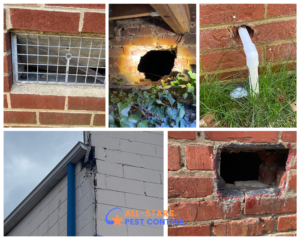 In Mechanicsville Virginia, Mice are extremely resourceful and can enter homes through the smallest of openings. Here are some common ways mice make their way indoors:
- Tiny Cracks and Gaps: Mice can squeeze through holes as small as 1/4 inch (about the size of a pencil). This includes cracks in foundations, gaps under doors, or spaces around windows.
- Utility Lines: Gaps around pipes, cables, or wiring that enter your home provide easy access points for mice.
- Openings in Attics and Basements: Poorly sealed attics, crawl spaces, and basements are particularly vulnerable as they provide shelter with minimal human traffic.
- Climbing and Jumping: Mice are excellent climbers and can access your home from rooflines, trees, or climbing along utility wires.
Signs of Mice Infestation in Winter
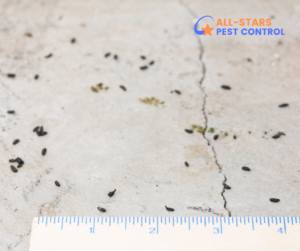 Since mice tend to be nocturnal and prefer to hide, it’s important to know what signs to look out for during the colder months:
- Droppings: Small, dark, rice-shaped droppings in cupboards, under sinks, or along walls.
- Gnaw Marks: Mice chew on almost anything to keep their teeth sharp. Look for chew marks on wood, wiring, or packaging.
- Noises: Scratching, scurrying, or squeaking sounds at night, especially in walls, ceilings, or attics.
- Nests: Mice build nests out of shredded paper, fabric, or insulation. Finding these in hidden areas indicates an infestation.
How to Prevent Mice from Overwintering in Your Home
Taking proactive steps to prevent mice from entering your home can save you from the hassle and expense of an infestation:
- Seal Entry Points: Regularly inspect your home’s exterior and seal any cracks, gaps, or holes that mice could enter through. Use materials like steel wool, caulk, or metal mesh that mice can’t easily chew through.
- Store Food Properly: Keep food in airtight containers and clean up any crumbs or spills promptly. Don’t forget to store pet food securely, as it can attract mice.
- Declutter Storage Areas: Mice love cluttered, undisturbed areas. Clean and organize your attic, basement, or garage, and store items in sealed plastic containers.
- Maintain Landscaping: Trim trees and bushes away from your home and clear leaves or debris that could provide shelter. This reduces the number of places where mice can hide near your home.
- Install Door Sweeps and Weather Stripping: Ensure that doors and windows are properly sealed, and install sweeps to close off gaps under doors.
- Use Traps and Deterrents: Place mouse traps in areas where mice are likely to enter, such as basements or attics. Ultrasonic devices and peppermint oil can also serve as natural deterrents.
When to Call a Professional Pest Control Service
Despite your best efforts, mice can still find their way into your home. If you notice persistent signs of a mouse infestation, it’s time to call a professional pest control service. Experts can identify problem areas, remove the infestation, and provide long-term solutions to prevent future invasions.
Conclusion
Mice overwinter in homes because they need warmth, food, and shelter. By understanding how they enter and what attracts them, you can take preventative measures to keep them out. Don’t let mice make your home theirs this winter—act now to protect your space from these unwelcome guests.
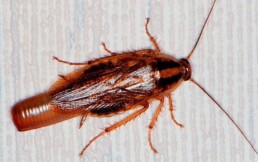
Facts about German Cockroaches in Mechanicsville and Richmond Virginia
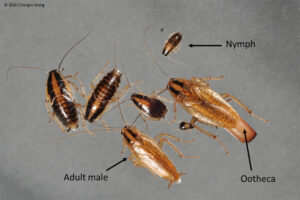
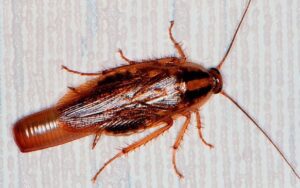
German cockroaches (Blattella germanica) are one of the most common species of cockroaches found in households and businesses throughout the Mechanicsville and Richmond Virginia area. These pests are known for their ability to adapt to various environments and reproduce rapidly, making them a challenging nuisance to eradicate. Here are some key facts about German cockroaches:
- Appearance: German cockroaches are light brown or tan and have two dark stripes running down their back. They are typically about 1/2 to 5/8 inch in length.
- Habitat: These cockroaches prefer warm and humid environments, such as kitchens, bathrooms, and areas with access to food and water sources.
- Reproduction: German cockroaches reproduce quickly, with a female capable of producing up to 30,000 offspring in a year. This rapid reproduction rate contributes to their ability to infest properties rapidly.
- Health Risks: German cockroaches can pose health risks to humans by contaminating food and surfaces with bacteria and allergens. Their presence has been linked to asthma and allergies in some individuals.
Control: Effective control of German cockroaches in the Mechanicsville and Richmond Virginia area involves a combination of sanitation practices, eliminating food and water sources, sealing entry points, and using insecticides as needed. Working with a pest control professional may be necessary for severe infestations.
It's important to address a German cockroach infestation promptly to prevent them from spreading and causing further problems in your home or business. By understanding their habits and characteristics, you can take proactive steps to keep these pests at bay.
Why Winter drives mice inside your home in Mechanicsville and Richmond Virginia
Why do they enter?
Who doesn’t lik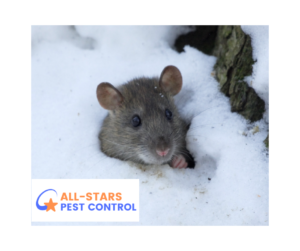 e to find a nice warm cozy spot inside when the weather turns cold? This is no different for mice in the Mechanicsville and Richmond Virginia areas. So, what do mice do in the winter?
Well, they do not hibernate, that’s for sure. Mice prefer to live outdoors however, when the temperature drops, they move inside anywhere they can. They attempt to enter your home for two primary reasons:
- Decreasing food
- Potential heat sources
Mice are very social animals who are prolific breeders with keen senses except for eyesight. They use their whiskers to see and typically travel along walls and stored items.
Search for food begins.
Food sources decrease during the winter months outdoors which forces them to enter your home. Mice end up finding your pantry, kitchen cabinets, and pet food stored in your garage; they also find your private hiding spot of all your favorite sweets and goodies. No food stock is safe from these furry creatures. Remember, they have the ability to squeeze through the smallest of holes and they are excellent climbers. If there is food available, they will find it.
Where is the warmth? 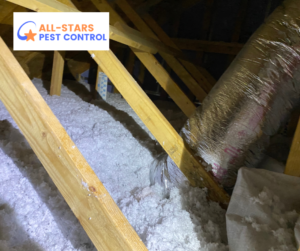
As temperatures drop outside mice search for warm places to live and where better than your temperature-controlled home? They will climb the outside of your home and gutter downspouts and find an access point into your attic where your insulation makes a perfect home for them. Mice will find small entry points around the foundation of your home like AC and electrical pipelines and nest inside your crawl space insulation. They will also enter small holes inside your home and nest inside your wall voids. They will find anywhere that is warm and safe from predators.
What are the dangers of a mouse infestation? 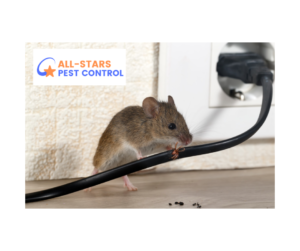
Other than mice having the ability to chew through wires which is a major fire hazard, the biggest concern about mice entering your home is the possible transfer of diseases they are known for carrying. Dangerous diseases such as:
- Hantavirus
- Pinworms
- Salmonella
- Lymphocytic Choriomeningitis
These diseases are transferred by their urine and feces which they continue to release while foraging. It is extremely important to trash any food with evidence of rodent activity on them. So how do you know if you have a mouse issue, look for some of these signs below:
- Gnaw marks.
- Fecal droppings
- Rub marks.
- Damaged/chewed goods.
- Tracks/footprints.
What should I do if I believe I have a mouse issue?
Since mice can transfer diseases and they present danger to your home, it is important to call a pest control professional when you believe you are dealing with a possible issue. It is even more important to prevent them from entering your home or business in the first place, which is why a recurring maintenance program is recommended. Visit allstarspest.com and learn how we can help you prevent a mouse infestation in your home or business.